What traditional foods can I expect to find at local festivals in Mallorca?
Similar Topics
mallorca festivals
pa amb oli
sobrassada
ensaimada
tumbet
herbes liqueur
binissalem wine
sant sebastia
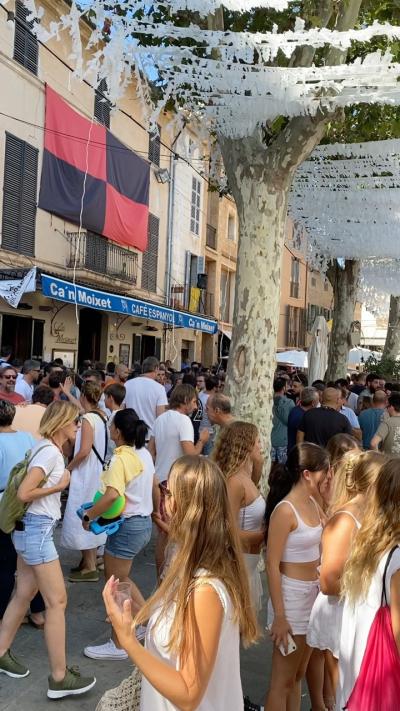
It's a common misconception that festivals on the island only focus on music and parades, but often, the real highlight for many visitors is the traditional cuisine served alongside the celebrations. At events like the Festa de l'Ametler around the blossoming almond trees or the lively Nit de Foc bonfire night in Palma, you’ll encounter classic Mallorcan dishes that have been savored for generations. Plates of pa amb oli—rustic bread rubbed with tomato and drizzled with local olive oil, often topped with sobrassada or local cheese—are a staple, offering simple yet deeply satisfying flavors.
Seafood also features prominently, especially in coastal towns where freshly caught fish or gambas are grilled to perfection and shared communally. In Pollenca and Alcudia, stalls may offer tumbet, a vegetal medley of layers of aubergine, peppers, and potatoes cooked in local olive oil, reflecting the island’s agricultural richness. Sweets play their part too, with traditional ensaimadas—soft, spiral-shaped pastries—frequently enjoyed alongside a glass of herbes or Palo, herbal liqueurs native to the area.
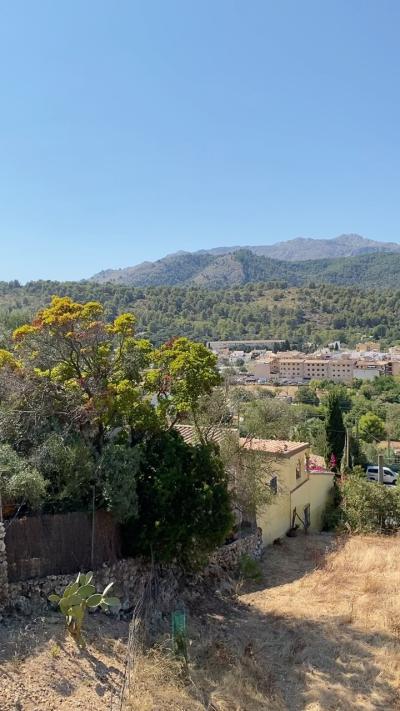
These dishes connect visitors not just to the island’s culinary heritage but also to the community spirit central to Mallorcan festivals. Eating together under the Tramuntana mountain skies or near the beaches of Cala Mondrago turns any meal into a celebration, where food, culture, and tradition blend seamlessly. Sampling local wines from Binissalem and enjoying these authentic foods during the Sant Sebastià festival in Palma or smaller village celebrations embodies the heart of Mallorcan festivity.
Seafood also features prominently, especially in coastal towns where freshly caught fish or gambas are grilled to perfection and shared communally. In Pollenca and Alcudia, stalls may offer tumbet, a vegetal medley of layers of aubergine, peppers, and potatoes cooked in local olive oil, reflecting the island’s agricultural richness. Sweets play their part too, with traditional ensaimadas—soft, spiral-shaped pastries—frequently enjoyed alongside a glass of herbes or Palo, herbal liqueurs native to the area.
These dishes connect visitors not just to the island’s culinary heritage but also to the community spirit central to Mallorcan festivals. Eating together under the Tramuntana mountain skies or near the beaches of Cala Mondrago turns any meal into a celebration, where food, culture, and tradition blend seamlessly. Sampling local wines from Binissalem and enjoying these authentic foods during the Sant Sebastià festival in Palma or smaller village celebrations embodies the heart of Mallorcan festivity.

Cala Figuera
More Fotos





Related Questions
Related Question
What are some popular dishes I should try at rooftop restaurants in Mallorca?
Related Question
Which nearby towns or areas should I explore to complement a visit to Palma's Santa Catalina neighborhood?
Related Question
Can I rent a car in Mallorca and return it at a different location on the island?