What should I consider about weather when planning a bike ride around Mallorca?
Similar Topics
mallorca cycling
tramuntana weather
mallorca biking
ma-10 bike routes
es trenc weather
tramuntana wind
mallorca spring cycling
sobrassada energy
Locals often decide their cycling plans by keeping a close eye on the Mediterranean climate's quirks here. Typically, spring and autumn provide the most comfortable conditions, with mild temperatures that let you enjoy routes like the Serra de Tramuntana or the Ma-10 without overheating. Summer rides along coastal roads like the Ma-19 near Alcudia are spectacular but can be challenging due to heat and strong sun, so early mornings or late afternoons are better to avoid peak heat.
Rain is uncommon but can occur unexpectedly, especially in the Tramuntana mountains. Trails and hilly roads can become slick and dangerous, so it’s wise to check the weather forecast and be prepared to change your plans accordingly. Wind can also play a role — the Tramuntana wind is famous for its strength and can affect your effort going both up and down the hills. The flatter Ma-15 toward Manacor or routes along the bay of Palma usually experience gentler breezes.
Layering is key, especially if you plan a full day’s ride. Temperatures can drop quickly in the early morning or high altitudes near towns like Valldemossa or Deià, so a lightweight jacket or a windbreaker can make a big difference. Humidity tends to be moderate, but cycling near salty beaches such as Es Trenc or Cala Mondragó might feel warmer due to the sea breeze.
In general, aim for rides during shoulder seasons when the weather is steady and not overly hot. Public transport connections like the TIB network can help you start or finish in towns like Sóller or Pollensa, letting you adapt your route if conditions change. Paying attention to these details ensures smooth cycling adventures through the island’s diverse landscapes.
Rain is uncommon but can occur unexpectedly, especially in the Tramuntana mountains. Trails and hilly roads can become slick and dangerous, so it’s wise to check the weather forecast and be prepared to change your plans accordingly. Wind can also play a role — the Tramuntana wind is famous for its strength and can affect your effort going both up and down the hills. The flatter Ma-15 toward Manacor or routes along the bay of Palma usually experience gentler breezes.
Layering is key, especially if you plan a full day’s ride. Temperatures can drop quickly in the early morning or high altitudes near towns like Valldemossa or Deià, so a lightweight jacket or a windbreaker can make a big difference. Humidity tends to be moderate, but cycling near salty beaches such as Es Trenc or Cala Mondragó might feel warmer due to the sea breeze.
In general, aim for rides during shoulder seasons when the weather is steady and not overly hot. Public transport connections like the TIB network can help you start or finish in towns like Sóller or Pollensa, letting you adapt your route if conditions change. Paying attention to these details ensures smooth cycling adventures through the island’s diverse landscapes.
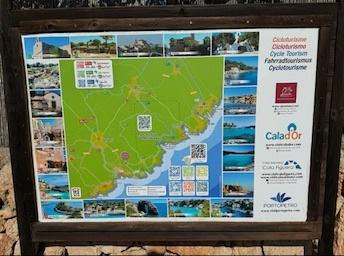
Cala Figuera
More Fotos