How do local laws in Mallorca affect pet ownership?
Similar Topics
Mallorca pet ownership
pet laws Mallorca
dog regulations Mallorca
pet travel Spain
pet-friendly accommodations Mallorca
dog-friendly beaches Mallorca
vaccination requirements pets Mallorca
microchip pets Mallorca
public spaces pet behavior
Mallorca pet travel regulations
In Mallorca, pet ownership is generally embraced, but there are specific local laws and regulations that pet owners should be aware of to ensure a harmonious experience. One of the most important aspects is the requirement for pets, particularly dogs, to be registered and vaccinated. This includes having a valid rabies vaccination certificate, which is particularly crucial since Mallorca is part of Spain and follows EU regulations on pet travel and ownership. Owners are also encouraged to microchip their pets, making it easier to reunite lost animals with their families.
Additionally, there are regulations concerning pet behavior in public spaces. Dogs must be leashed in most areas, and certain public places may have restrictions on where dogs are allowed. Owners are expected to clean up after their pets, and fines can be imposed for neglecting this responsibility. In many towns, there are designated areas where dogs can run freely, which is a great way for pets to socialize and exercise. Furthermore, pet-friendly accommodations and restaurants are becoming increasingly popular, making it easier for visitors with pets to enjoy their stay on the island.
It's also worth noting that during the summer months, there are stricter regulations regarding pets in public spaces due to the heat. Many beaches prohibit dogs, especially during peak hours, to ensure the comfort and safety of all visitors. However, some beaches are designated as "dog-friendly," allowing pets to enjoy the sun and sea with their owners. Understanding these local laws and customs not only helps ensure a stress-free experience for both pets and their owners but also fosters a respectful environment within the community.
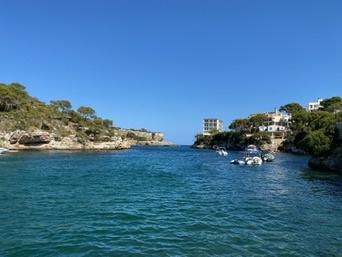
Cala Figuera
More Fotos