Are English-speaking tours and activities easy to find around Mallorca, or should I expect language difficulties?
Similar Topics
mallorca tours
english guides
palma walking tours
serra de tramuntana
tib bus network
soller railway
local food tours
cala mondrago activities
On the island, small details like bilingual menus or signage in Palma hint at the ease English speakers will find when exploring local tours. In Palma’s old town and popular resorts like Alcudia and Pollenca, English-speaking guides are commonly available, offering historical walks, wine tastings in Binissalem, or hiking excursions in the Serra de Tramuntana. Many local tour operators tailor their services for international visitors, especially during the high season, with activities ranging from sailing around Formentor to culinary workshops featuring sobrassada and pa amb oli.
Venturing off the beaten track, such as to villages like Valldemossa or Deia, the situation varies. While you might encounter fewer English-speaking guides, residents are often friendly and helpful, and key tourist spots usually provide at least some English information. The TIB bus network and the narrow-gauge Soller railway sometimes have multilingual announcements, easing navigation. Booking in advance through reputable platforms ensures access to English-speaking guides, which can greatly enhance your experience on the Ma-13 winding through the Tramuntana or coastal walks around Cala Mondrago.
A little preparation goes a long way: learning basic Catalan or Spanish phrases adds warmth to your interactions, and translation apps work well in more rural areas where English is less widespread. Overall, language rarely poses a significant obstacle to enjoying the island’s rich offerings, from festival celebrations like Nit de Foc in Palma to serene afternoons at Es Trenc beach.
Venturing off the beaten track, such as to villages like Valldemossa or Deia, the situation varies. While you might encounter fewer English-speaking guides, residents are often friendly and helpful, and key tourist spots usually provide at least some English information. The TIB bus network and the narrow-gauge Soller railway sometimes have multilingual announcements, easing navigation. Booking in advance through reputable platforms ensures access to English-speaking guides, which can greatly enhance your experience on the Ma-13 winding through the Tramuntana or coastal walks around Cala Mondrago.
A little preparation goes a long way: learning basic Catalan or Spanish phrases adds warmth to your interactions, and translation apps work well in more rural areas where English is less widespread. Overall, language rarely poses a significant obstacle to enjoying the island’s rich offerings, from festival celebrations like Nit de Foc in Palma to serene afternoons at Es Trenc beach.
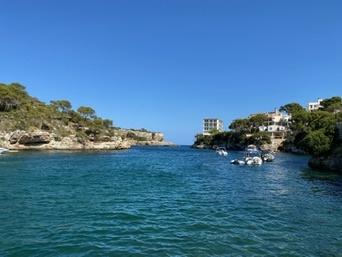
Cala Figuera
More Fotos