What is the history behind the Romerias in Mallorca?
Similar Topics
Romerias Mallorca
Mallorca history
traditional attire Mallorca
Catholic heritage Mallorca
local gastronomy Mallorca
cultural celebrations Mallorca
spring festivals Mallorca
community events Mallorca
pilgrimages Mallorca
Mallorca cultural fabric
The Romerias in Mallorca are a vibrant celebration deeply rooted in the island's cultural and religious history. Traditionally held in the spring, these pilgrimages honor local saints and serve as a way for communities to come together, blending spirituality with a festive spirit. The term "romería" is derived from "romero," meaning pilgrim, and the celebrations often include a procession to a shrine or church, where devotees pay homage to their patron saints. This practice dates back to medieval times, reflecting the island's strong Catholic heritage, influenced by the various cultures that have settled in Mallorca over the centuries.
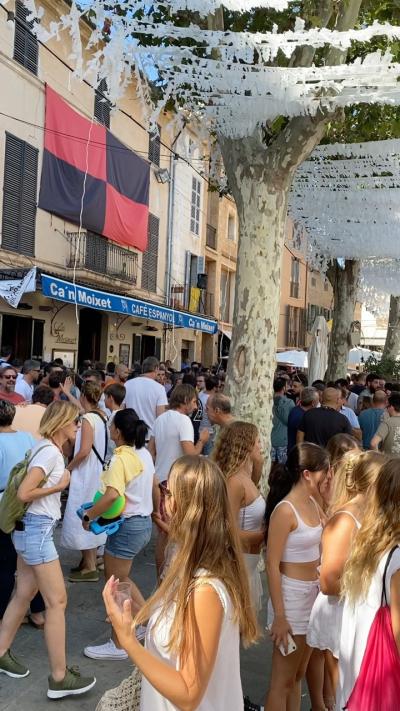
During the Romerias, participants typically dress in traditional attire, which adds to the colorful atmosphere of the event. The celebrations are marked by music, dance, and local gastronomy, showcasing the rich culinary traditions of Mallorca. Locals often prepare and share typical dishes as part of the festivities, creating a communal experience that strengthens bonds within the community. The Romerias not only serve as religious observances but also as an opportunity for social gathering, where families and friends reconnect and celebrate their shared heritage.
As you explore Mallorca, attending one of these Romerias can provide you with a unique glimpse into the island's cultural fabric. Each village has its own special celebrations, often featuring distinct customs and rituals, making every Romeria a unique experience. Whether you're joining in the lively processions or simply enjoying the local delicacies, participating in a Romeria is a wonderful way to appreciate the island's rich history and the enduring spirit of its people.
During the Romerias, participants typically dress in traditional attire, which adds to the colorful atmosphere of the event. The celebrations are marked by music, dance, and local gastronomy, showcasing the rich culinary traditions of Mallorca. Locals often prepare and share typical dishes as part of the festivities, creating a communal experience that strengthens bonds within the community. The Romerias not only serve as religious observances but also as an opportunity for social gathering, where families and friends reconnect and celebrate their shared heritage.
As you explore Mallorca, attending one of these Romerias can provide you with a unique glimpse into the island's cultural fabric. Each village has its own special celebrations, often featuring distinct customs and rituals, making every Romeria a unique experience. Whether you're joining in the lively processions or simply enjoying the local delicacies, participating in a Romeria is a wonderful way to appreciate the island's rich history and the enduring spirit of its people.

Cala Figuera
More Fotos