How can travelers support environmental conservation while visiting Mallorca?
- Mallorca conservation
- Es trenc clean-up
- Tramuntana wildlife
- Sustainable tourism mallorca
- Binissalem vineyards
- Local artisans mallorca
- Eco accommodations
- Mallorca environmental
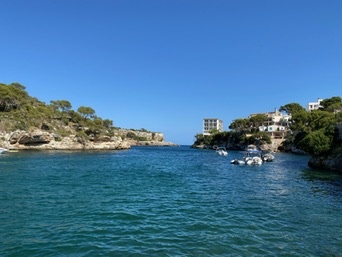
Locals often support the island's delicate ecosystems through everyday choices long before visitors get involved. For those keen to contribute, joining community beach clean-ups at spots like Es Trenc or Cala Mondrago can be a rewarding way to connect directly with the natural beauty of the coast. Several conservation NGOs occasionally organize guided tours in the Serra de Tramuntana, where participants learn about native flora and fauna while helping monitor endangered species or maintain walking paths. In some cases, volunteering for olive tree planting or vineyard restoration around Binissalem offers insight into rural life and the island’s agricultural heritage.
Choosing accommodation with an eco-conscious ethos, often found around places like Sóller or Pollenca, supports sustainable tourism on the island. Many of these accommodations prioritize renewable energy, water conservation, and waste reduction, blending seamlessly into their surroundings. Dining locally, whether savoring pa amb oli in Palma or a rustic tumbet in Deià, helps reduce the carbon footprint and boosts local farmers and producers. Artisans in markets from Alcúdia to Valldemossa create handcrafted goods, and purchasing these supports the island’s economy without straining natural resources.
Simple acts matter, too—sticking to marked trails in the Tramuntana, respecting marine life near Formentor, and avoiding single-use plastics protect habitats that are fragile yet vital. Informing oneself about the challenges Mallorca faces, such as water scarcity or pressures from mass tourism, and sharing that knowledge encourages a wider awareness. Thoughtful travel here deepens appreciation and leaves a positive impact, ensuring future generations can experience the island’s unique charm in full bloom.