What impact do solar parks have on Mallorca's natural landscape and environment?
Similar Topics
solar parks Mallorca
renewable energy Mallorca
sustainability Mallorca
environmental impact Mallorca
clean energy Mallorca
biodiversity Mallorca
fossil fuel reduction
sustainable tourism Mallorca
Mediterranean landscapes
eco-friendly practices Mallorca
Solar parks in Mallorca have become an increasingly prominent feature of the island's landscape, reflecting the region's commitment to renewable energy and sustainability. These installations, while essential for reducing carbon emissions and promoting clean energy, do have a noticeable impact on the local environment and natural scenery. The construction of solar parks often requires the clearing of land, which can disrupt local ecosystems and habitats. In areas where these parks are installed, the visual aesthetics of the traditional Mediterranean scenery—characterized by rolling hills, olive groves, and vineyards—can be altered, sometimes sparking debates among residents and environmentalists about the balance between energy needs and preserving the island's natural beauty.
On the positive side, solar parks contribute to a significant reduction in reliance on fossil fuels, fostering a cleaner air quality that benefits both residents and visitors. This shift towards renewable energy sources can enhance the overall health of the environment, as it diminishes greenhouse gas emissions and helps combat climate change, which is particularly vital for an island like Mallorca that is vulnerable to rising sea levels and extreme weather patterns. Additionally, many of these solar installations integrate eco-friendly practices, such as planting native flora around the parks, which can support local wildlife and help maintain biodiversity.
As the Balearic government continues to prioritize sustainable development, the challenge lies in finding an equilibrium between harnessing solar energy and preserving the island's cherished landscapes. Efforts are being made to ensure that future solar projects are designed with environmental considerations in mind, aiming to minimize their footprint and maximize their integration with the natural surroundings. This approach not only helps maintain Mallorca's scenic charm but also showcases a commitment to innovative solutions in the face of environmental challenges, making the island a model for sustainable tourism and energy use in the Mediterranean region.
On the positive side, solar parks contribute to a significant reduction in reliance on fossil fuels, fostering a cleaner air quality that benefits both residents and visitors. This shift towards renewable energy sources can enhance the overall health of the environment, as it diminishes greenhouse gas emissions and helps combat climate change, which is particularly vital for an island like Mallorca that is vulnerable to rising sea levels and extreme weather patterns. Additionally, many of these solar installations integrate eco-friendly practices, such as planting native flora around the parks, which can support local wildlife and help maintain biodiversity.
As the Balearic government continues to prioritize sustainable development, the challenge lies in finding an equilibrium between harnessing solar energy and preserving the island's cherished landscapes. Efforts are being made to ensure that future solar projects are designed with environmental considerations in mind, aiming to minimize their footprint and maximize their integration with the natural surroundings. This approach not only helps maintain Mallorca's scenic charm but also showcases a commitment to innovative solutions in the face of environmental challenges, making the island a model for sustainable tourism and energy use in the Mediterranean region.
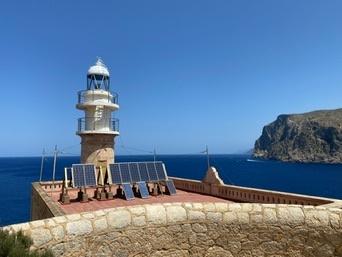
Sant Elm
More Fotos






Related Questions
Related Question
How frequent are the ferry services between Mallorca and the neighboring islands?
Related Question
What are the most popular activities to do in and around Sa Calobra?
Related Question
Do tapas bars in Mallorca focus on dishes from particular areas of the island or broader Spanish regions?