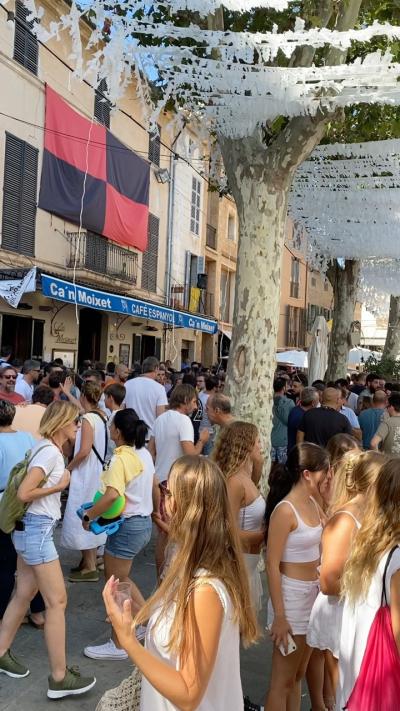
What changes occurred in the governance of Mallorca after the conflict?
Similar Topics
Mallorca governance
Balearic Islands autonomy
Spanish Civil War impact
Franco dictatorship effects
Mallorca cultural revival
Balearic Parliament formation
sustainable tourism Mallorca
Mallorca local laws
Mallorca history
Mallorca tourism development
After the conflict, particularly following the Spanish Civil War, Mallorca underwent significant changes in its governance that shaped its modern identity. The war and subsequent Franco dictatorship led to a centralization of power in Madrid, which effectively marginalized local governance structures. During this period, Mallorca was subject to strict regulations and censorship, which stifled its cultural expression and local autonomy. However, with the death of Franco in 1975 and the subsequent transition to democracy, the Balearic Islands, including Mallorca, experienced a resurgence in local governance and cultural revival.
The establishment of the Statute of Autonomy for the Balearic Islands in 1983 marked a pivotal moment for Mallorca. This legal framework granted the islands a greater degree of self-governance, allowing for the development of local laws and policies that better reflect the unique cultural and social needs of the region. The formation of the Balearic Parliament enabled Mallorcans to elect their representatives, ensuring that local voices were heard in matters of education, tourism, and regional development. This newfound autonomy fostered a sense of identity and pride among the residents, who began to celebrate their language, traditions, and heritage more openly.
In the decades that followed, Mallorca has continued to evolve politically and culturally, becoming a vibrant part of Spain’s democratic landscape. The island has seen an increase in tourism and economic development, while also striving to balance growth with the preservation of its natural beauty and rich history. Local government initiatives have focused on sustainable tourism, environmental conservation, and the promotion of local culture, making Mallorca not only a beautiful destination but also a model for regional governance in a modern democratic context. This blend of autonomy and cultural pride continues to shape the island, making it a fascinating place to explore for visitors interested in both its stunning landscapes and its rich historical tapestry.
The establishment of the Statute of Autonomy for the Balearic Islands in 1983 marked a pivotal moment for Mallorca. This legal framework granted the islands a greater degree of self-governance, allowing for the development of local laws and policies that better reflect the unique cultural and social needs of the region. The formation of the Balearic Parliament enabled Mallorcans to elect their representatives, ensuring that local voices were heard in matters of education, tourism, and regional development. This newfound autonomy fostered a sense of identity and pride among the residents, who began to celebrate their language, traditions, and heritage more openly.
In the decades that followed, Mallorca has continued to evolve politically and culturally, becoming a vibrant part of Spain’s democratic landscape. The island has seen an increase in tourism and economic development, while also striving to balance growth with the preservation of its natural beauty and rich history. Local government initiatives have focused on sustainable tourism, environmental conservation, and the promotion of local culture, making Mallorca not only a beautiful destination but also a model for regional governance in a modern democratic context. This blend of autonomy and cultural pride continues to shape the island, making it a fascinating place to explore for visitors interested in both its stunning landscapes and its rich historical tapestry.

Cala Figuera
More Fotos