What kinds of accommodations did visitors to Mallorca use before modern hotels existed?
- Mallorca accommodations
- Traditional inns
- Tramuntana lodging
- Palma taverns
- Private home stays
- Mallorca boarding houses
- Es trenc shelter
- Local foods
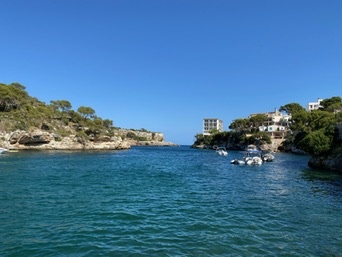
Before the rise of modern hotels, travelers on the island found lodging in a range of humble and community-oriented places. Inns and taverns in towns like Palma, Alcudia, and Pollenca served as common rest stops, offering simple meals alongside beds. These were often lively spots where locals and visitors mingled, sharing stories over a glass of Binissalem wine or a shot of Hierbas. Positioned along key routes such as the Ma-13 connecting Palma with the north coast, these inns provided essential comfort for merchants, pilgrims, and adventurers making the journey through the Serra de Tramuntana or along the coast.
Outside of the larger settlements, hospitality often came from private homes in villages like Valldemossa or Deia, where farmers and fishermen welcomed strangers with a meal of pa amb oli or tumbet, sometimes in exchange for a small fee. This informal hosting built a network of trust and goodwill very much alive in the island’s rural traditions. For those staying longer, family-run boarding houses were common, offering both rooms and the chance to share communal dining, often featuring local specialties like sobrassada and freshly baked ensaimadas.
In more isolated areas, especially in the Tramuntana mountains or near remote coves such as Cala Llombards or Es Trenc, accommodations could be very basic—sometimes little more than rustic shelters or simple huts. Travelers seeking adventure or solitude would often camp or stay in these modest dwellings, embracing the island’s rugged character and the slower pace of life. These traditional forms of lodging remain part of Mallorca’s cultural heritage, reflecting a time when hospitality was as much about connection as convenience.