Are there any dress codes or etiquette tips I should know when visiting Palma or smaller towns on the island?
Similar Topics
dress code mallorca
palma etiquette
local customs
mallorca dining
valldemossa dress
pollenca traditions
mallorca greetings
tipping mallorca
Summer days on the island are warm and relaxed, yet local customs still call for some modesty, especially when visiting churches or religious sites like the cathedral in Palma or the monastery in Valldemossa. Covering shoulders and knees is appreciated indoors, and bringing a light scarf or shawl can be a practical way to respect these traditions. In many smaller villages such as Deià or Pollença, casual yet neat attire fits in best, especially during festivals like Nit de Foc, where locals come together for lively celebrations.
When greeting residents in towns along the Ma-13 or Ma-19 roads, a simple “bon dia” or “bona tarda” (good morning or afternoon) goes a long way. People appreciate efforts to speak a little Catalan or Spanish. The island’s pace encourages friendliness but also respects personal space, so a warm smile will usually suffice even if you’re unsure about local gestures.
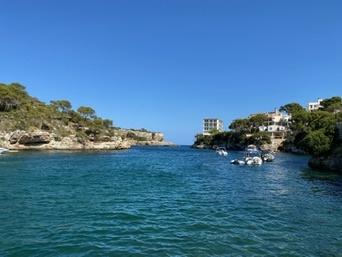
Dining customs around here often revolve around sharing traditional dishes like tumbet or fresh seafood in coastal towns like Alcúdia or Cala Llombards. It’s customary to wait until the host begins eating before you start, and passing dishes to one another reflects Mallorca’s communal spirit. Tipping is generally appreciated but not compulsory—leaving a small amount in cafes or restaurants is seen as polite, especially if service is attentive. Overall, a relaxed attitude paired with cultural sensitivity helps visitors blend smoothly into local life on the island.
When greeting residents in towns along the Ma-13 or Ma-19 roads, a simple “bon dia” or “bona tarda” (good morning or afternoon) goes a long way. People appreciate efforts to speak a little Catalan or Spanish. The island’s pace encourages friendliness but also respects personal space, so a warm smile will usually suffice even if you’re unsure about local gestures.
Dining customs around here often revolve around sharing traditional dishes like tumbet or fresh seafood in coastal towns like Alcúdia or Cala Llombards. It’s customary to wait until the host begins eating before you start, and passing dishes to one another reflects Mallorca’s communal spirit. Tipping is generally appreciated but not compulsory—leaving a small amount in cafes or restaurants is seen as polite, especially if service is attentive. Overall, a relaxed attitude paired with cultural sensitivity helps visitors blend smoothly into local life on the island.
More Fotos