How has the tapa tradition developed uniquely across Mallorca's towns and villages?
Similar Topics
mallorca tapas
pa amb oli
sobrassada
binissalem wine
sant sebastia
serra de tramuntana
cala mondrago
tib bus
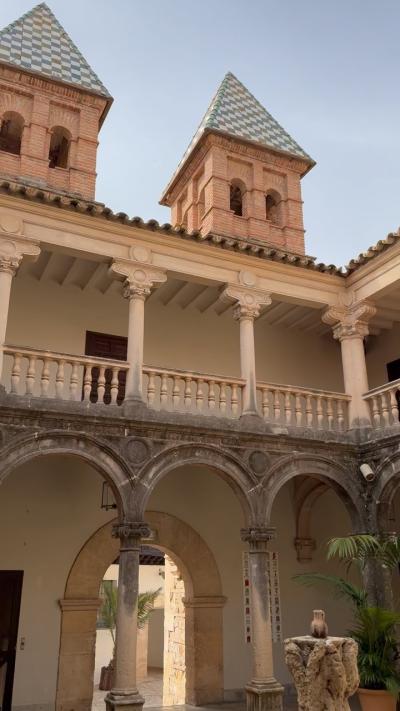
Locals often enjoy small bites in a way that reflects Mallorca's own culinary character rather than simply following mainland tapas customs. Throughout places like Palma, Sóller, and Pollença, tapas—or more broadly, small shared plates—are deeply intertwined with the island’s ingredients and social rhythms. The classic pa amb oli, made from rustic bread, olive oil, tomato, and sometimes sobrassada, is a staple that often accompanies a glass of Binissalem wine or a sip of Hierbas.
Unlike the northern pintxos style, the island’s tapas tend to be simpler but rich in local flavor. Coastal towns near Cala Mondragó or Formentor feature seafood tapas, drawing on fresh catch like prawns and octopus, often grilled or marinated. Inland villages such as Valldemossa and Deià lean towards robust, earthy tastes, perhaps featuring tumbet—a vegetable-based dish that offers a distinct Mallorcan touch. Events like the Sant Sebastià festival in Palma highlight these traditions, where local bars serve a variety of small dishes alongside live music and lively crowds.
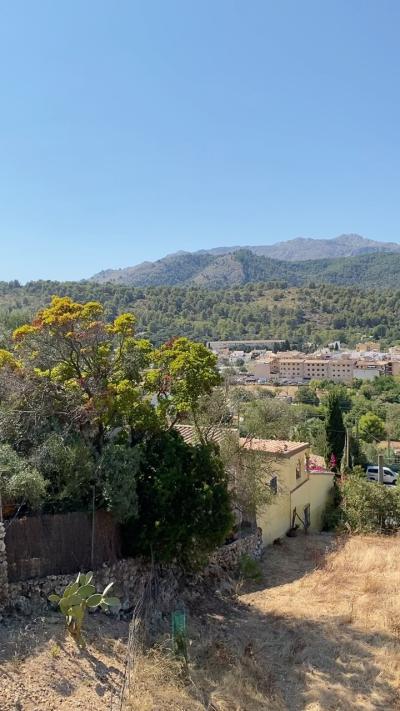
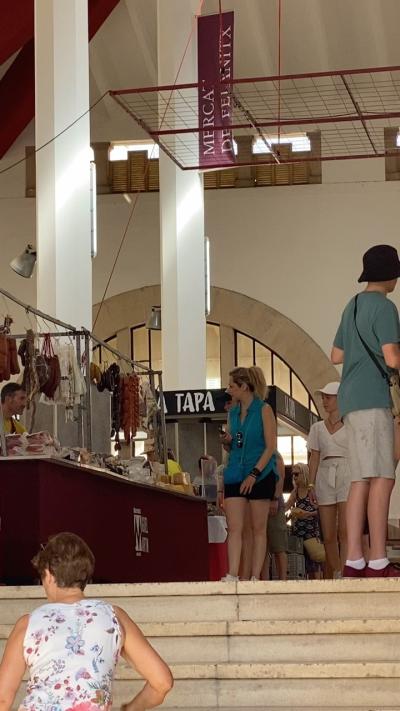
Traveling the Ma-13 through the Serra de Tramuntana reveals regional variations: the markets and eateries mirror a deep connection to local farming and artisan production, making tapas more than just snacks—they are a way to taste the island’s heritage. TIB buses link many of these hotspots, making it easy to explore and compare. Whether enjoyed with a Palo liqueur or a fresh ensaimada for dessert, the island’s tapa culture encourages leisurely sharing and savoring, embodying Mallorca's convivial spirit.
Unlike the northern pintxos style, the island’s tapas tend to be simpler but rich in local flavor. Coastal towns near Cala Mondragó or Formentor feature seafood tapas, drawing on fresh catch like prawns and octopus, often grilled or marinated. Inland villages such as Valldemossa and Deià lean towards robust, earthy tastes, perhaps featuring tumbet—a vegetable-based dish that offers a distinct Mallorcan touch. Events like the Sant Sebastià festival in Palma highlight these traditions, where local bars serve a variety of small dishes alongside live music and lively crowds.
Traveling the Ma-13 through the Serra de Tramuntana reveals regional variations: the markets and eateries mirror a deep connection to local farming and artisan production, making tapas more than just snacks—they are a way to taste the island’s heritage. TIB buses link many of these hotspots, making it easy to explore and compare. Whether enjoyed with a Palo liqueur or a fresh ensaimada for dessert, the island’s tapa culture encourages leisurely sharing and savoring, embodying Mallorca's convivial spirit.
More Fotos