How do churches and religious traditions shape festivals on Mallorca?
Similar Topics
mallorca festivals
local churches
sant sebastia
nit de foc
pollenca celebrations
valldemossa
serra de tramuntana
mallorca traditions
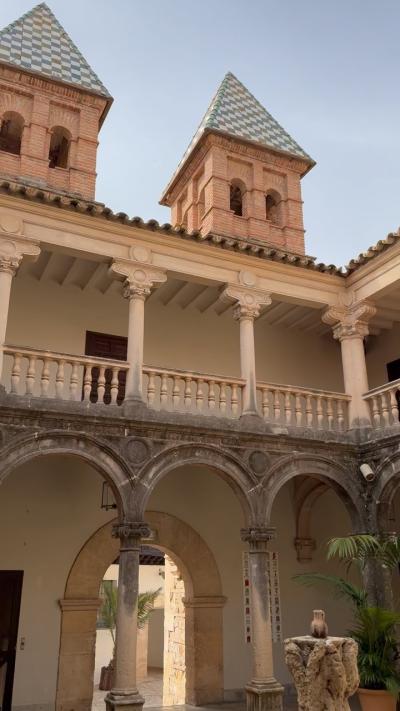
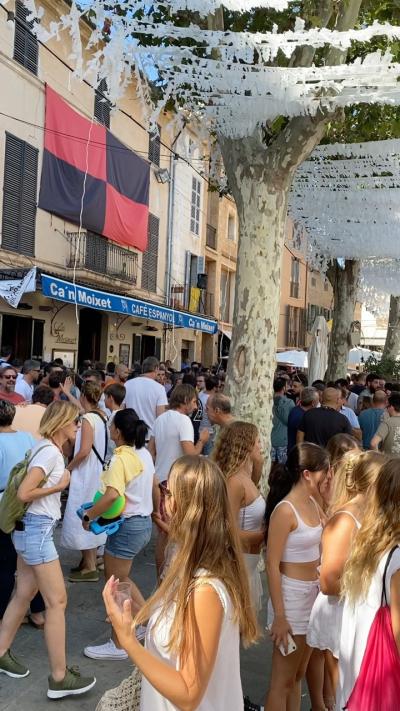
In towns like Pollenca and Valldemossa, churches stand at the heart of many local festivals, lending both spiritual depth and historical resonance to the celebrations. The Festa de Sant Sebastià in Palma, for example, revolves around its eponymous saint's church and features processions, music, and traditional dances that bring the community together in reverence and festivity. These occasions often begin with special masses and prayers, anchoring the events in Mallorca’s Catholic heritage before spilling out onto the streets where locals and visitors gather.
Religious customs show themselves vividly in events like the Nit de Foc in Palma, where bonfires illuminate the night alongside spirited parades connected to Saint Anthony’s Day. The churches’ centuries-old architecture, from the Gothic cathedral in Palma to humble chapels in the Serra de Tramuntana villages, provides a poignant backdrop, inviting reflection on faith as a living tradition that shapes local identity. Music and ritual blend seamlessly, offering more than spectacle; they convey a communal spirit rooted in the island’s history.
Moreover, these religiously inspired festivals often emphasize generosity and care within the community. It’s typical, for instance, to find charitable food offerings or collections organized by parish groups, echoing the island’s longstanding values of hospitality and neighborly support. The church’s involvement extends beyond the liturgical, fostering both a cultural richness and a spirit of solidarity that defines many Mallorca celebrations. Attending these events offers an immersive way to understand how faith and festivity intertwine on the island.
Religious customs show themselves vividly in events like the Nit de Foc in Palma, where bonfires illuminate the night alongside spirited parades connected to Saint Anthony’s Day. The churches’ centuries-old architecture, from the Gothic cathedral in Palma to humble chapels in the Serra de Tramuntana villages, provides a poignant backdrop, inviting reflection on faith as a living tradition that shapes local identity. Music and ritual blend seamlessly, offering more than spectacle; they convey a communal spirit rooted in the island’s history.
Moreover, these religiously inspired festivals often emphasize generosity and care within the community. It’s typical, for instance, to find charitable food offerings or collections organized by parish groups, echoing the island’s longstanding values of hospitality and neighborly support. The church’s involvement extends beyond the liturgical, fostering both a cultural richness and a spirit of solidarity that defines many Mallorca celebrations. Attending these events offers an immersive way to understand how faith and festivity intertwine on the island.

Cala Figuera
More Fotos