What conservation measures protect Mallorca's endemic wildlife and habitats?
Similar Topics
mallorca conservation
endemic species
serra de tramuntana
natural reserves
s’albufera wetlands
binissalem wine
tib buses
sustainable tourism
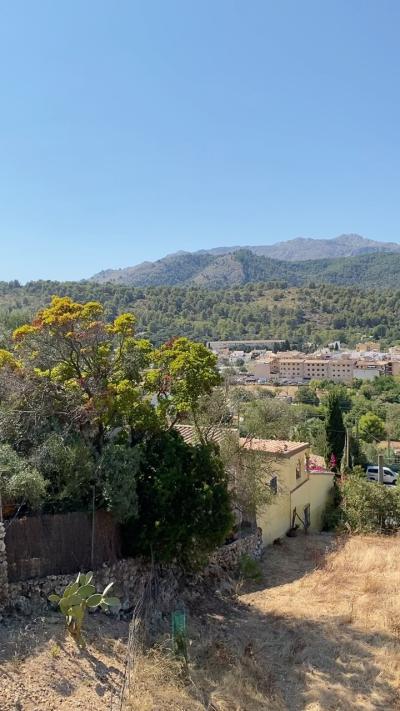
Protecting the island's unique flora and fauna often falls to dedicated local authorities and environmental groups rather than tourists. Much of the conservation work focuses on maintaining the delicate landscapes of the Serra de Tramuntana and the coastal areas around Cala Mondrago or Formentor, where endemic species such as the Mallorcan midwife toad and the Balearic lizard thrive. Strict controls limit development in these natural reserves, and regulations manage visitor numbers, especially in sensitive spots like the S’Albufera wetlands near Alcúdia. This helps preserve habitats from overuse and maintains the ecological balance crucial for these species' survival.
Local organizations collaborate closely with scientific bodies to monitor populations and implement restoration projects, whether reforesting native carob trees or controlling invasive plants that threaten indigenous growth. Community involvement is key, with initiatives encouraging residents of towns like Pollensa and Valldemossa to take pride in preserving their surroundings. Educational programs during events like the Festa de l'Ametler also raise awareness about protecting the island’s biodiversity.
Research on endemic species informs adaptive strategies, ensuring conservation efforts respond to climate and environmental changes. Visitors contribute positively by respecting protected areas, using the TIB bus services for lower carbon travel, and choosing eco-friendly activities. Supporting local products such as Binissalem wines or eating traditional dishes like tumbet underscores sustainable tourism that benefits both the natural environment and the community. In this way, conservation efforts on Mallorca combine science, local tradition, and mindful tourism to safeguard its remarkable natural heritage for years to come.
Local organizations collaborate closely with scientific bodies to monitor populations and implement restoration projects, whether reforesting native carob trees or controlling invasive plants that threaten indigenous growth. Community involvement is key, with initiatives encouraging residents of towns like Pollensa and Valldemossa to take pride in preserving their surroundings. Educational programs during events like the Festa de l'Ametler also raise awareness about protecting the island’s biodiversity.
Research on endemic species informs adaptive strategies, ensuring conservation efforts respond to climate and environmental changes. Visitors contribute positively by respecting protected areas, using the TIB bus services for lower carbon travel, and choosing eco-friendly activities. Supporting local products such as Binissalem wines or eating traditional dishes like tumbet underscores sustainable tourism that benefits both the natural environment and the community. In this way, conservation efforts on Mallorca combine science, local tradition, and mindful tourism to safeguard its remarkable natural heritage for years to come.

Cala Figuera
More Fotos