What architectural features make hotels on Mallorca stand out from typical resorts?
Similar Topics
mallorca hotels
traditional architecture
serra de tramuntana
palma boutique hotels
local craftsmanship
marès stone
eco-friendly design
historic fincas
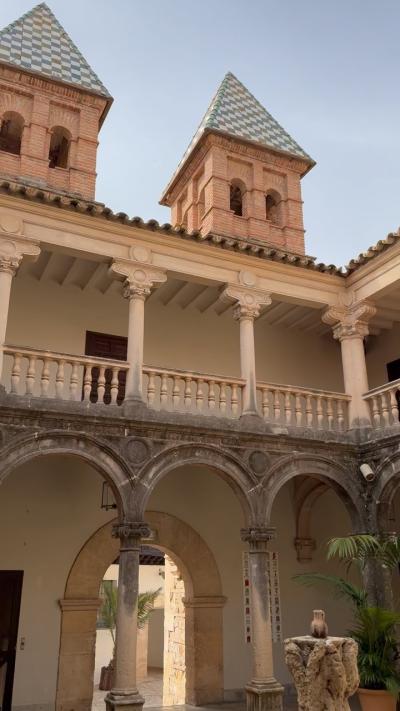
Many visitors expect Mallorca hotels to be indistinguishable from generic Mediterranean resorts, but the island’s accommodations often showcase distinct architectural qualities rooted in local history and craftsmanship. In towns like Palma and Sóller, traditional buildings sometimes feature the unmistakable stonework and wooden shutters of historic fincas, blending rustic charm with modern comfort. These structures frequently incorporate internal courtyards or patios shaded by vine-covered pergolas, creating intimate spaces that reflect Mallorcan living traditions.
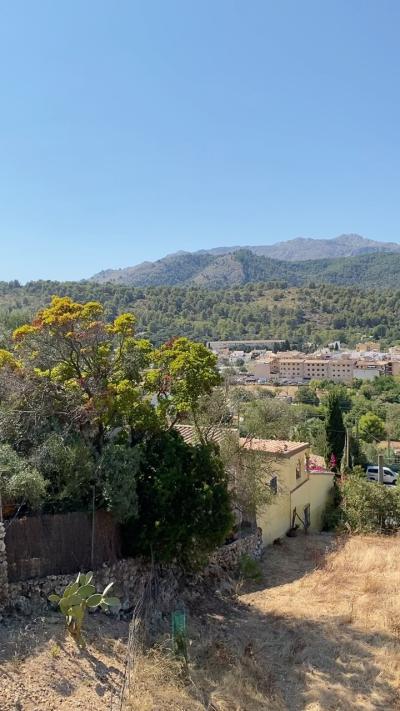
Beyond the old town ambiance, some newer hotels take inspiration from the island’s diverse landscapes, such as the rugged Serra de Tramuntana, with natural stone facades and terraced designs that harmonize with steep hillsides. Using local materials like marès sandstone or hand-painted azulejos, these properties pay tribute to craftsmen who have shaped Mallorca’s built environment for centuries. Interiors often highlight artisanal details, including carved balustrades and wrought iron balconies, evoking the historic palaces and traditional townhouses found in places like Valldemossa or Alcúdia.
Sustainable design is also growing, with eco-conscious resorts adopting solar panels and green roofs that blend with the natural surroundings near coastal coves such as Cala Mondragó or Es Trenc. Large windows and open-plan layouts invite abundant natural light while framing views of olive groves, pine forests, or the shimmering Mediterranean sea. This architectural approach makes staying here a sensory experience, connecting guests with the island’s character beyond simple accommodation.
Beyond the old town ambiance, some newer hotels take inspiration from the island’s diverse landscapes, such as the rugged Serra de Tramuntana, with natural stone facades and terraced designs that harmonize with steep hillsides. Using local materials like marès sandstone or hand-painted azulejos, these properties pay tribute to craftsmen who have shaped Mallorca’s built environment for centuries. Interiors often highlight artisanal details, including carved balustrades and wrought iron balconies, evoking the historic palaces and traditional townhouses found in places like Valldemossa or Alcúdia.
Sustainable design is also growing, with eco-conscious resorts adopting solar panels and green roofs that blend with the natural surroundings near coastal coves such as Cala Mondragó or Es Trenc. Large windows and open-plan layouts invite abundant natural light while framing views of olive groves, pine forests, or the shimmering Mediterranean sea. This architectural approach makes staying here a sensory experience, connecting guests with the island’s character beyond simple accommodation.
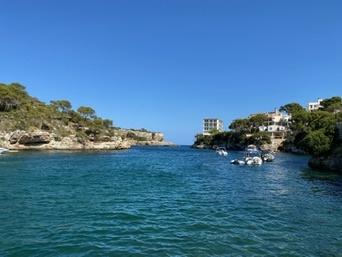
Cala Figuera
More Fotos