What were the traditional industries that shaped Mallorca's economy before tourism?
Similar Topics
mallorca economy
fishing industry
agriculture island
serra de tramuntana
sobrassada production
ensaimada bakery
manacor marble
festa de l'ametler
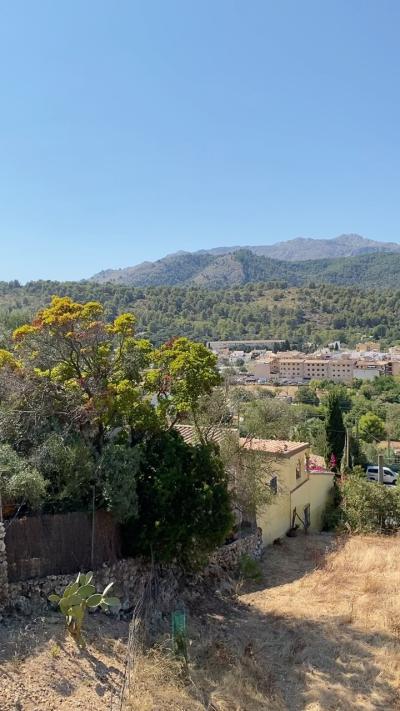
Fishing has long been a foundational industry along Mallorca's coast, from the small harbours of Port de Pollenca to the bustling fish markets in Palma. Local communities depended on the sea, not only for sustenance but as a vibrant part of daily life, with ancient techniques still remembered in some villages. Inland, agriculture shaped much of the island’s character; terraces carved into the slopes of the Serra de Tramuntana allowed the cultivation of olives, almonds, carob, and grapes, underpinning rural economies for centuries.
The production of sobrassada, a cured pork sausage, and the baking of ensaimadas were local artisanal crafts that connected the agricultural output with Mallorca's culinary traditions. Quarrying and some light mining also played a role, especially around Manacor, known for its marble, while forestry contributed timber resources vital for construction and fuel. These industries stimulated small settlements and roads like the Ma-13 to develop, linking interior villages with coastal towns.
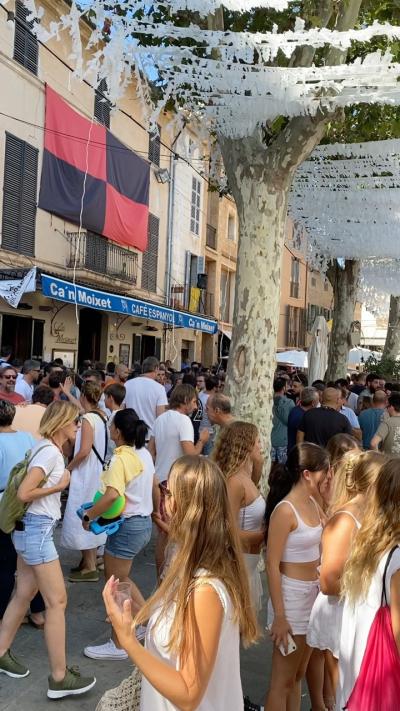
Before tourism became dominant, the island's economy was a patchwork of these traditional activities. Seasonal fairs such as the Festa de l'Ametler celebrated the almond harvest, embedding agriculture deeply into social life. Today, while tourism brings a different kind of prosperity, the echoes of Mallorca’s industrious past can still be glimpsed in its markets, festivals, and the enduring landscape shaped by generations of farming and fishing.
The production of sobrassada, a cured pork sausage, and the baking of ensaimadas were local artisanal crafts that connected the agricultural output with Mallorca's culinary traditions. Quarrying and some light mining also played a role, especially around Manacor, known for its marble, while forestry contributed timber resources vital for construction and fuel. These industries stimulated small settlements and roads like the Ma-13 to develop, linking interior villages with coastal towns.
Before tourism became dominant, the island's economy was a patchwork of these traditional activities. Seasonal fairs such as the Festa de l'Ametler celebrated the almond harvest, embedding agriculture deeply into social life. Today, while tourism brings a different kind of prosperity, the echoes of Mallorca’s industrious past can still be glimpsed in its markets, festivals, and the enduring landscape shaped by generations of farming and fishing.
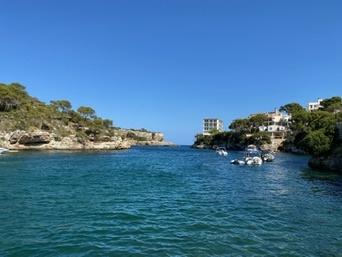
Cala Figuera
More Fotos
Related Questions
Related Question
What other watchtowers or historical sites are similar to Torre de Andritxol in Mallorca?
Related Question
What kind of landscapes will I see on a hiking route through the Serra de Tramuntana?
Related Question
Is there a beach within walking distance that has facilities for families?