Do vendors at Mallorca’s local markets speak multiple languages to accommodate tourists?
Similar Topics
mallorca markets
local vendors
multilingual staff
catalan language
binissalem wine
ensaimada bakery
mercat de l'olivar
traditional food
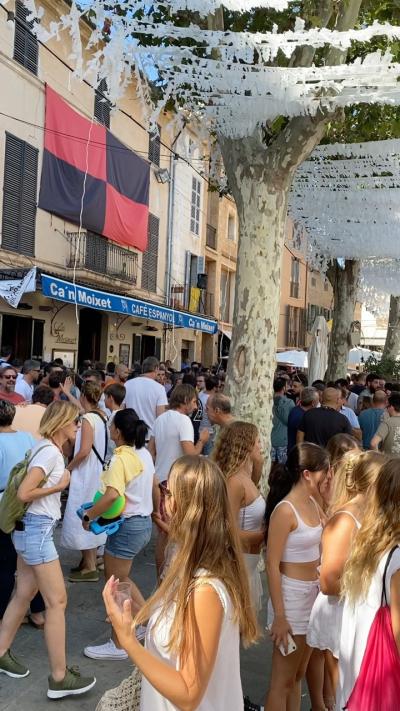
If you linger long enough at Palma’s Mercat de l'Olivar or Alcúdia’s weekly market, you’ll notice how vendors often juggle several languages alongside Catalan and Spanish. Around these bustling stalls, especially in places popular with visitors, shopkeepers commonly speak some English or German, and in busier spots, even French. This multilingual ability helps bridge the gap between locals and visitors, making it easier to ask about sobrassada, local wines from Binissalem, or which ensaimada bakery is best.
In quieter towns like Valldemossa or Pollensa, language skills can be more rooted in the local tongue, though patience and a few well-chosen words can quickly spark warmth and connection. Gestures, smiles, and the slow unfolding of menus or product labels provide charm, inviting deeper cultural immersion. Even if a vendor's English isn’t fluent, they often relish sharing tidbits about traditional foods like tumbet or tips on the best hidden coves along the Ma-13.
Markets across the island, from the seaside at Cala Rajada to mountain villages accessed by the Soller railway, are more than just shopping spots—they are lively social hubs. The enthusiasm of the sellers, whether offering fresh produce or artisanal crafts, often transcends language barriers. Visitors willing to embrace this genuine exchange come away with richer experiences and sometimes a few Balearic phrases tucked away.
In quieter towns like Valldemossa or Pollensa, language skills can be more rooted in the local tongue, though patience and a few well-chosen words can quickly spark warmth and connection. Gestures, smiles, and the slow unfolding of menus or product labels provide charm, inviting deeper cultural immersion. Even if a vendor's English isn’t fluent, they often relish sharing tidbits about traditional foods like tumbet or tips on the best hidden coves along the Ma-13.
Markets across the island, from the seaside at Cala Rajada to mountain villages accessed by the Soller railway, are more than just shopping spots—they are lively social hubs. The enthusiasm of the sellers, whether offering fresh produce or artisanal crafts, often transcends language barriers. Visitors willing to embrace this genuine exchange come away with richer experiences and sometimes a few Balearic phrases tucked away.
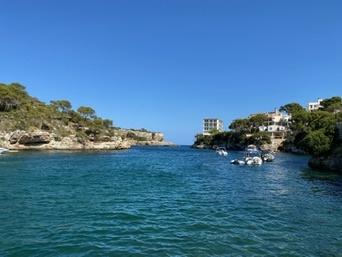
Cala Figuera
More Fotos