How do Mallorcans feel when visitors try to speak Catalan or Spanish during their stay?
Similar Topics
speaking catalan
mallorca locals
catalan language
tib buses
palma greetings
balearic culture
tourist respect
local customs
Making an effort to speak Catalan or Spanish usually opens many doors when spending time around Palma, Soller, or smaller villages like Valldemossa and Deia. Even a simple “Bon dia” or “Gràcies” is warmly received, as it shows respect for local traditions and an interest beyond just sightseeing. The island's residents often appreciate tourists who go beyond English and embrace the local languages, whether in markets, cafes, or while chatting on the TIB buses between Alcudia and Pollenca.
That said, tone and context matter. Mallorcans are proud of their cultural heritage, and Catalan is an important marker of identity alongside Spanish. Genuine curiosity and politeness go further than heavy-handed attempts or misused phrases. Many locals switch easily to Spanish or even English, but appreciating their mother tongue signals goodwill. Especially during festive times like Sant Sebastià in Palma or the Festa de l’Ametler in the Tramuntana mountains, showing familiarity with local expressions invites friendliness and sometimes shared stories.
In quieter spots such as the coves near Cala Mondrago or the Serra de Tramuntana trails, language can become a bridge to learning about island life, the making of sobrassada, or Binissalem wine traditions. So while one doesn’t need fluency, blending in a few words reveals genuine intent and often leads to more authentic, memorable encounters on the island.
That said, tone and context matter. Mallorcans are proud of their cultural heritage, and Catalan is an important marker of identity alongside Spanish. Genuine curiosity and politeness go further than heavy-handed attempts or misused phrases. Many locals switch easily to Spanish or even English, but appreciating their mother tongue signals goodwill. Especially during festive times like Sant Sebastià in Palma or the Festa de l’Ametler in the Tramuntana mountains, showing familiarity with local expressions invites friendliness and sometimes shared stories.
In quieter spots such as the coves near Cala Mondrago or the Serra de Tramuntana trails, language can become a bridge to learning about island life, the making of sobrassada, or Binissalem wine traditions. So while one doesn’t need fluency, blending in a few words reveals genuine intent and often leads to more authentic, memorable encounters on the island.
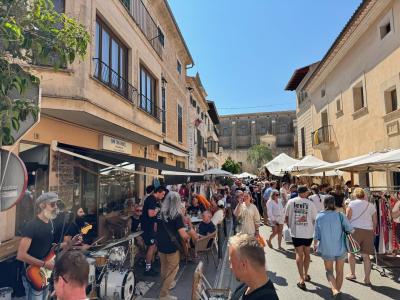
Santanyí
More Fotos