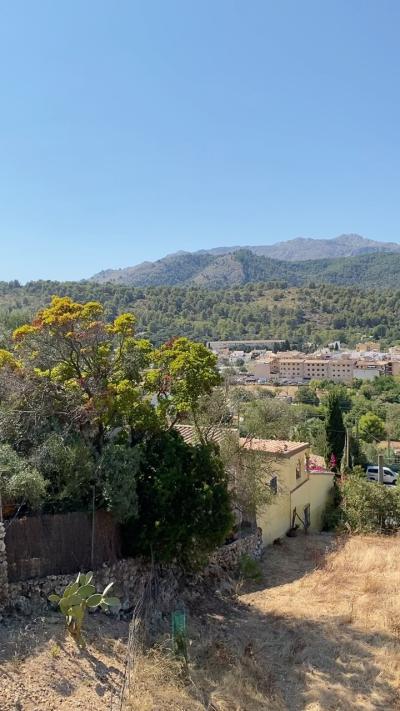
What safety precautions should I consider when exploring Mallorca's natural attractions and towns?
Similar Topics
mallorca safety
tramuntana hiking
es trenc beach
pickpocket prevention
tib bus
cala mondrago
travel emergency mallorca
palma festivals
Many visitors arrive expecting Mallorca’s popular spots, like the beaches of Es Trenc or the cliffs around Formentor, to be completely safe and spectator-friendly without extra care. However, the island’s varied terrain demands a bit more mindfulness. When wandering the Serra de Tramuntana, for instance, footpaths can be rocky and slippery, especially after rain, so sturdy footwear is a must. Cliffs near Cala Mondrago and tucked-away coves like Cala Llombards require caution; strong winds and uneven ground can pose risks if you're not paying attention.
In towns such as Valldemossa or Deià, it’s wise to keep your belongings close, particularly in busy markets or during events like the Nit de Foc festival in Palma, where crowds can attract pickpockets. Avoid flashing expensive cameras or jewellery, especially in Palma’s Old Town and Alcúdia’s historic centre. If you plan to explore by bus with the TIB network or travel via the historic Sóller railway, be mindful of schedules and evening services, as some routes end early and less frequent stops can leave you waiting in dimly lit areas.
When swimming in open coves or beaches, check local advisories and weather changes, especially outside the peak summer months, as currents sometimes become stronger than expected. Also, familiarize yourself with emergency contacts on the island—even locals recommend saving numbers like 112—and sharing your itinerary with someone when hiking trails around the Tramuntana or venturing into quieter inland villages like Campanet or Manacor. Taking these precautions helps preserve your focus on enjoying traditional dishes like tumbet or sampling Binissalem wine, with nothing more pressing than the stunning coastal views and vibrant local culture.
In towns such as Valldemossa or Deià, it’s wise to keep your belongings close, particularly in busy markets or during events like the Nit de Foc festival in Palma, where crowds can attract pickpockets. Avoid flashing expensive cameras or jewellery, especially in Palma’s Old Town and Alcúdia’s historic centre. If you plan to explore by bus with the TIB network or travel via the historic Sóller railway, be mindful of schedules and evening services, as some routes end early and less frequent stops can leave you waiting in dimly lit areas.
When swimming in open coves or beaches, check local advisories and weather changes, especially outside the peak summer months, as currents sometimes become stronger than expected. Also, familiarize yourself with emergency contacts on the island—even locals recommend saving numbers like 112—and sharing your itinerary with someone when hiking trails around the Tramuntana or venturing into quieter inland villages like Campanet or Manacor. Taking these precautions helps preserve your focus on enjoying traditional dishes like tumbet or sampling Binissalem wine, with nothing more pressing than the stunning coastal views and vibrant local culture.

Platja de Muro
More Fotos