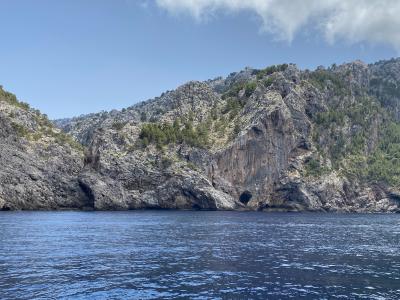
What unique rock formations can I see in Mallorca's cave systems?
Similar Topics
mallorca caves
stalactites mallorca
stalagmites caves
cuevas del drach
helictites formations
flowstone mallorca
port de soller
rock formations
The cool, damp air inside the caves of Mallorca carries the subtle scent of limestone and earth, inviting you to discover their hidden wonders. In the Cuevas del Drach near Porto Cristo, intricate stalactites hang delicately from the ceilings, formed over millennia by mineral-rich water slowly dripping. Their sharp icicle shapes often cluster, shimmering softly in the guided tour’s gentle lighting, creating an almost ethereal atmosphere. Opposite these, stalagmites rise steadily from the cave floor, some thick and rounded, others slender, as if reaching toward the stalactites above. Where these formations meet, they produce stunning columns that look like nature’s own grand pillars.
Beyond stalactites and stalagmites, you’ll notice sheets of flowstone cascading over the walls, appearing like frozen waterfalls with smooth, wavy textures in hues of cream and ochre. Some of the less common helictites twist and curl in unpredictable directions, defying gravity and adding a surreal touch to the caves. Look closely, and you might spot cave popcorn—tiny, knobbly clusters of calcite resembling miniature coral or popcorn kernels. Each rock formation tells a story of the island’s geological past, shaped by water and time beneath the Serra de Tramuntana’s rugged terrain.
Taking a guided tour at Cuevas dels Hams or the Drach caves enriches the experience, as expert guides explain the processes behind these delicate structures and the importance of preserving them. Photography is usually permitted but keep flash off to protect these fragile ecosystems. Exploring these underground labyrinths is truly like stepping into another world, revealing the quiet beauty and natural artistry carved deep below popular spots like Cala Mondragó and Manacor.
Beyond stalactites and stalagmites, you’ll notice sheets of flowstone cascading over the walls, appearing like frozen waterfalls with smooth, wavy textures in hues of cream and ochre. Some of the less common helictites twist and curl in unpredictable directions, defying gravity and adding a surreal touch to the caves. Look closely, and you might spot cave popcorn—tiny, knobbly clusters of calcite resembling miniature coral or popcorn kernels. Each rock formation tells a story of the island’s geological past, shaped by water and time beneath the Serra de Tramuntana’s rugged terrain.
Taking a guided tour at Cuevas dels Hams or the Drach caves enriches the experience, as expert guides explain the processes behind these delicate structures and the importance of preserving them. Photography is usually permitted but keep flash off to protect these fragile ecosystems. Exploring these underground labyrinths is truly like stepping into another world, revealing the quiet beauty and natural artistry carved deep below popular spots like Cala Mondragó and Manacor.

Cales de Mallorca
More Fotos