How can I safely identify edible or poisonous plants while hiking in the Serra de Tramuntana?
- Foraging mallorca
- Edible plants mallorca
- Tramuntana flora
- Mallorca herbs
- Plant identification mallorca
- Safe plants mallorca
- Wild plants tramuntana
- Mallorca nature safety
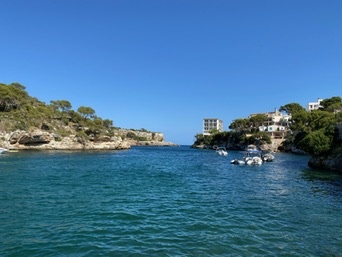
Walking through the shaded groves and rugged trails around Valldemossa and Deià offers a wonderful way to connect with the island’s native flora. Before setting off, it helps to familiarize yourself with Mallorca’s characteristic plants, especially if you plan to forage or are curious about the wild herbs and fruits you encounter. Local guidebooks or apps tailored to the Balearic Islands can assist you in distinguishing common safe species, like wild herbs used in traditional dishes, from those that are best avoided. Joining a guided walk or workshop offered near Palma or Sóller is also a smart option for learning from experts about local edible plants and the more hazardous ones, such as those that might cause skin irritation or that are toxic if consumed.
Pay close attention when identifying plants: species like the sweet-smelling rosemary or aromatic fennel often grow along the Ma-10 roadways and protected park paths. Leaves shape, texture, and flowers can be good clues; for instance, avoid plants with milky sap or bright berries unless you are certain of their safety. Remember the local saying, similar to the universal advice, to leave anything doubtful alone. Bringing a detailed field guide focused on Balearic flora can be invaluable when exploring remote areas like the Alaró mountain or the quieter parts of the Serra de Tramuntana.
Always wash any plants you plan to try, just as you would any wild-picked fruit, to reduce the risk of contaminants like dust or insects. Being cautious with local wild plants enhances your experience, whether you’re gathering herbs for pa amb oli or just marveling at the ecosystem. With mindful preparation, this immersive side of exploring Mallorca can be both safe and enriching.