What customs should I be aware of when attending traditional festivals on the island?
Similar Topics
mallorca festivals
local customs
traditional attire
sant sebastia
festa de lametler
pa amb oli
nit de foc
photography etiquette
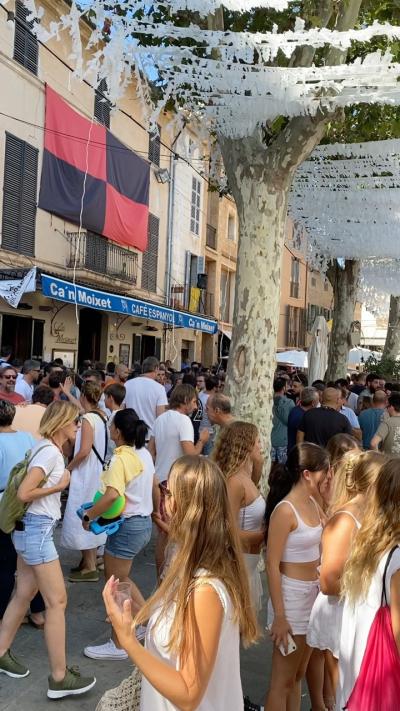
Festival culture here has evolved but remains deeply rooted in local customs that visitors should respect to fully appreciate the atmosphere. Events like the Sant Sebastià festival in Palma or the Festa de l'Ametler in Soller retain unique traditions, including characteristic dress and communal activities that reflect the island’s heritage. It’s common to see men and women wearing regional attire or carrying symbolic items, which visitors can admire and sometimes join in with, provided it’s done respectfully.
Many Mallorcan festivals incorporate traditional music, dances, or blessings that have been passed down for generations. Observing quietly or participating only when invited is the best way to honor the solemn or joyful nature of these moments. Sharing food is often central—pa amb oli, sobrassada, or ensaimada might be offered to visiting guests—and this is a wonderful way to engage with locals. Still, it’s good to be mindful of any specific dietary customs tied to particular religious or cultural events.
Interactions during festivals tend to be warm and welcoming, but it’s wise to be sensitive when photographing. Asking permission before taking pictures of ceremonies or individuals respects local sensitivities, especially in small towns like Pollença or Valldemossa during their Nit de Foc celebrations. By paying attention to these customs and showing genuine interest, you’ll gain richer insight into Mallorca’s vibrant community life and create memorable connections with its people.
Many Mallorcan festivals incorporate traditional music, dances, or blessings that have been passed down for generations. Observing quietly or participating only when invited is the best way to honor the solemn or joyful nature of these moments. Sharing food is often central—pa amb oli, sobrassada, or ensaimada might be offered to visiting guests—and this is a wonderful way to engage with locals. Still, it’s good to be mindful of any specific dietary customs tied to particular religious or cultural events.
Interactions during festivals tend to be warm and welcoming, but it’s wise to be sensitive when photographing. Asking permission before taking pictures of ceremonies or individuals respects local sensitivities, especially in small towns like Pollença or Valldemossa during their Nit de Foc celebrations. By paying attention to these customs and showing genuine interest, you’ll gain richer insight into Mallorca’s vibrant community life and create memorable connections with its people.
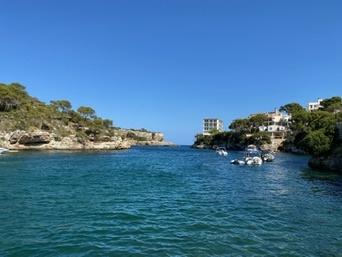
Cala Figuera
More Fotos




Related Questions
Related Question
What special cultural events or exhibitions take place at the Fundació Chopin in Valldemossa?
Related Question
What are the best transportation options available to get to Cap Gros?
Related Question
What time of day offers the best lighting for photographs at the viewpoints in Cala Figuera?