What traditional Mallorcan design features might I notice in a rustic finca or country home?
Similar Topics
mallorca finca
rustic mallorca home
tramuntana design
traditional mallorca decor
binissalem ceramics
valldemossa interiors
mallorca artisanal furniture
sant sebastia festival
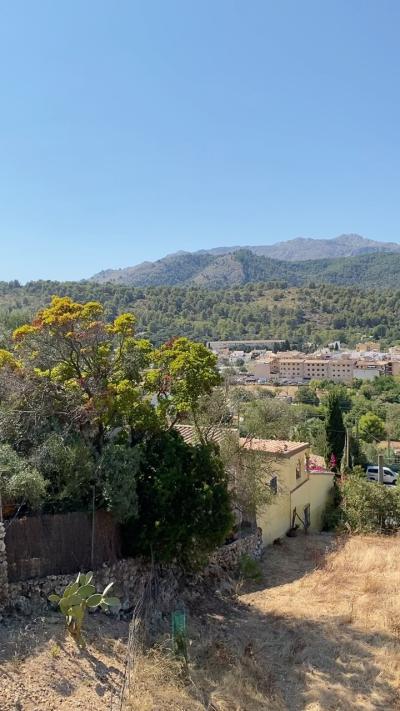
The scent of aged pine and the soft glow of terracotta tiles set the tone for many traditional fincas scattered around the Tramuntana mountains or the plains near Manacor. These homes often embrace natural materials like rough stone walls and exposed wooden beams, reflecting centuries of craftsmanship suited to the island’s climate. Expect to see wrought iron grilles on windows and shutters painted in deep blues or greens, colors inspired by the sea and the island’s countryside.
Inside, rustic simplicity merges with local artistry. Textiles often feature stripes or geometric patterns in earthy tones, complementing pottery decorated with Mallorcan motifs like olives or almond blossoms. Hand-thrown ceramics, often glazed in hues echoing the Binissalem vineyards, are common accents alongside wooden furniture crafted by local artisans, blending form and function elegantly. These details create an atmosphere rooted in the island’s farming and artisanal heritage without sacrificing comfort.
In villages such as Valldemossa or Deia, it’s not unusual to find interiors adorned with old posters from local festivals like Sant Sebastià or handcrafted baskets woven from Mediterranean palm leaves. This attention to authentic, regionally inspired details immerses visitors in the spirit of Mallorca’s past and present, making rustic country homes as much cultural experiences as they are places to stay.
Inside, rustic simplicity merges with local artistry. Textiles often feature stripes or geometric patterns in earthy tones, complementing pottery decorated with Mallorcan motifs like olives or almond blossoms. Hand-thrown ceramics, often glazed in hues echoing the Binissalem vineyards, are common accents alongside wooden furniture crafted by local artisans, blending form and function elegantly. These details create an atmosphere rooted in the island’s farming and artisanal heritage without sacrificing comfort.
In villages such as Valldemossa or Deia, it’s not unusual to find interiors adorned with old posters from local festivals like Sant Sebastià or handcrafted baskets woven from Mediterranean palm leaves. This attention to authentic, regionally inspired details immerses visitors in the spirit of Mallorca’s past and present, making rustic country homes as much cultural experiences as they are places to stay.
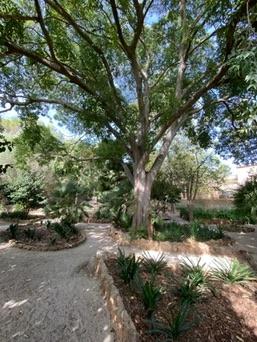
Galilea
More Fotos



Related Questions
Related Question
What were some significant events during the Vandal and Byzantine periods in Mallorca?
Related Question
What historical context led to the rise of illegal constructions in Mallorca?
Related Question
When is the best time to enjoy quiet beaches like Es Trenc or Cala Mondrago without the crowds?