What are the most common invasive species found in Mallorca, and how did they arrive?
Similar Topics
Mallorca invasive species
prickly pear cactus Mallorca
red palm weevil
common myna Mallorca
Mallorca biodiversity
invasive species impact
Mediterranean ecosystems
Mallorca flora and fauna
environmental conservation Mallorca
tourism and invasive species
Mallorca, like many beautiful destinations, has its share of invasive species that have made their way into the ecosystem, impacting local flora and fauna. One of the most common invasive species is the prickly pear cactus, originally native to the Americas. It was introduced to the island for agricultural purposes and has since spread widely, outcompeting native plants and altering the landscape. Another notable invader is the red palm weevil, which threatens the palm trees that are iconic to the Mediterranean region. This pest likely arrived via imported palm trees, and its presence poses a significant risk to the island's palm population.
In addition to these, the common myna, a bird native to South Asia, has established a population in Mallorca. It was introduced in the mid-20th century, likely as a pet, and has since thrived, impacting local bird species and their habitats. The arrival of these species often occurs through a combination of human activity, such as trade and tourism, which inadvertently facilitates their spread. While Mallorca's natural beauty is captivating, it's essential to be aware of these invasive species and their effects on the island's delicate ecosystems. The local government and environmental organizations are actively working to manage these species, aiming to protect the unique biodiversity that makes Mallorca so special.
In addition to these, the common myna, a bird native to South Asia, has established a population in Mallorca. It was introduced in the mid-20th century, likely as a pet, and has since thrived, impacting local bird species and their habitats. The arrival of these species often occurs through a combination of human activity, such as trade and tourism, which inadvertently facilitates their spread. While Mallorca's natural beauty is captivating, it's essential to be aware of these invasive species and their effects on the island's delicate ecosystems. The local government and environmental organizations are actively working to manage these species, aiming to protect the unique biodiversity that makes Mallorca so special.
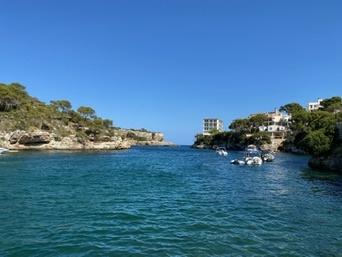
Cala Figuera
More Fotos
Related Questions
Related Question
Can tourists take part in Easter processions on Mallorca or are they mainly local events?
Related Question
Are there any secluded coastal spots in Mallorca that avoid the usual tourist crowds?
Related Question
What lesser-known spots in the Tramuntana might have inspired Miró’s artistic vision?