How has the culinary scene in Mallorca's towns like Soller and Manacor changed over recent years?
Similar Topics
mallorca cuisine
pa amb oli
sobrassada
binissalem wine
tramuntana food
soller restaurants
manacor dining
ensaimada sweets
Food culture around towns such as Soller and Manacor now combines the island’s deep-rooted traditions with fresh creative energy. Historically, local kitchens centred on peasant staples like pa amb oli, sobrassada, and tumbet, reflecting the modest yet flavourful rural heritage. These dishes once characterised home cooking and village markets with ingredients like local olive oil, almonds, and seasonal vegetables sourced from the fertile fields surrounding Valldemossa or Alcudia.
Today, menus in both longstanding and newer restaurants showcase a broader palette. Alongside the classic ensaimadas and hearty stews, smaller eateries and gourmet spots experiment with local products, often pairing them with Binissalem wines or the distinctive herbal notes of Hierbas and Palo liqueurs. Fresh fish from the north coast and freshly foraged ingredients from the Tramuntana are increasingly featured, giving local cuisine a vibrant, modern edge.
This blend of old and new has been encouraged by the growing visitor appreciation for Mallorca’s authentic gastronomy, especially during festivals like Sant Sebastià or the Festa de l’Ametler, where traditional flavours meet contemporary presentation. Many chefs now emphasise sustainable sourcing and seasonality, connecting directly with island farmers and fishermen through the local market circuits and initiatives to preserve Mallorca’s unique culinary identity.
Today, menus in both longstanding and newer restaurants showcase a broader palette. Alongside the classic ensaimadas and hearty stews, smaller eateries and gourmet spots experiment with local products, often pairing them with Binissalem wines or the distinctive herbal notes of Hierbas and Palo liqueurs. Fresh fish from the north coast and freshly foraged ingredients from the Tramuntana are increasingly featured, giving local cuisine a vibrant, modern edge.
This blend of old and new has been encouraged by the growing visitor appreciation for Mallorca’s authentic gastronomy, especially during festivals like Sant Sebastià or the Festa de l’Ametler, where traditional flavours meet contemporary presentation. Many chefs now emphasise sustainable sourcing and seasonality, connecting directly with island farmers and fishermen through the local market circuits and initiatives to preserve Mallorca’s unique culinary identity.
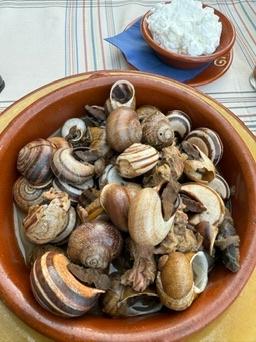
s'Horta
More Fotos



Related Questions
Related Question
Should I book a table in advance to eat at Ca'n Miquel de S'Hort while visiting the shoe museum in Inca?
Related Question
How convenient is it to visit Mallorca's main sights from rural fincas compared to staying at coastal resorts?
Related Question
How far is Palma airport from hotels in Mallorca’s main towns?