Is it safer to drive Mallorca’s mountain roads at night or during the day?
Similar Topics
mallorca driving safety
serra de tramuntana
mallorca mountain roads
daytime driving
night driving risks
ma-10 road
tib bus mallorca
mallorca sightseeing by
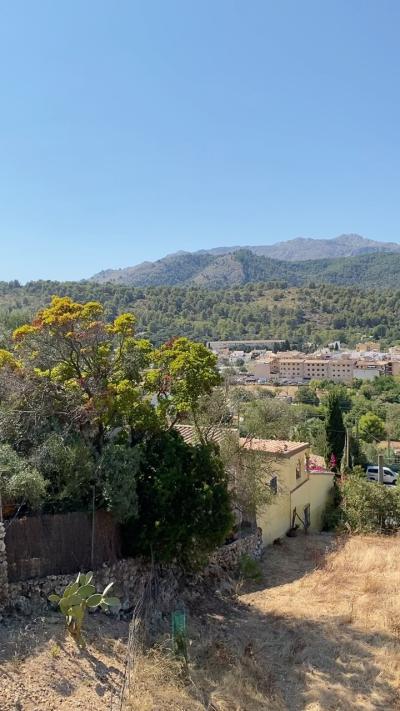
Navigating the Serra de Tramuntana after dark is quite a different experience compared to driving under daylight. Roads like the Ma-10 that wind through small villages such as Valldemossa and Deià can be narrow and twisting, often without street lighting, which makes daytime travel a wiser choice for most visitors. Driving during the day not only improves visibility but also lets you take in the stunning landscapes that characterize this part of the island.
On the other hand, routes along the flatter east coast or from Palma towards Manacor on the Ma-15 tend to be better lit and easier to manage at night. Still, spotting unexpected animals like stray sheep or wild boar can be trickier when visibility drops, especially on rural stretches. Fatigue also plays a big role, and unfamiliarity with local signage or tight bends increases risks after dark.
Public transport, including the TIB bus network, generally slows considerably in the evenings, so if you rely on a car, planning your trip during daylight hours is often more relaxed. Plus, driving by day means you can stop nearby beautiful coves such as Cala Mondragó or Es Trenc to enjoy a break or sample local dishes like pa amb oli or tumbet without rushing.
Of course, experienced drivers comfortable with winding roads may find night journeys manageable. But for newcomers, daylight driving not only enhances safety but also lets you fully appreciate the island’s mix of rugged mountains and shimmering coastline.
On the other hand, routes along the flatter east coast or from Palma towards Manacor on the Ma-15 tend to be better lit and easier to manage at night. Still, spotting unexpected animals like stray sheep or wild boar can be trickier when visibility drops, especially on rural stretches. Fatigue also plays a big role, and unfamiliarity with local signage or tight bends increases risks after dark.
Public transport, including the TIB bus network, generally slows considerably in the evenings, so if you rely on a car, planning your trip during daylight hours is often more relaxed. Plus, driving by day means you can stop nearby beautiful coves such as Cala Mondragó or Es Trenc to enjoy a break or sample local dishes like pa amb oli or tumbet without rushing.
Of course, experienced drivers comfortable with winding roads may find night journeys manageable. But for newcomers, daylight driving not only enhances safety but also lets you fully appreciate the island’s mix of rugged mountains and shimmering coastline.

Platja de Muro
More Fotos