Are signs and menus usually in English, or will I need to understand Catalan or Spanish on Mallorca?
Similar Topics
english menus mallorca
mallorca signage
local language mallorca
catalan language
palma restaurants
tramuntana villages
mallorca tourism
spanish phrases
In Palma, and other bustling spots along the coast like Alcúdia and Pollença, you'll often find menus and signs presented in several languages, English included. This multilingual approach caters to the steady flow of visitors drawn to popular beaches like Es Trenc and Cala Mondragó, as well as holiday towns connected by the TIB bus network and the Palma metro. Many restaurants and shops there aim to welcome international guests without language barriers, so ordering pa amb oli or tasting sobrassada is usually straightforward.
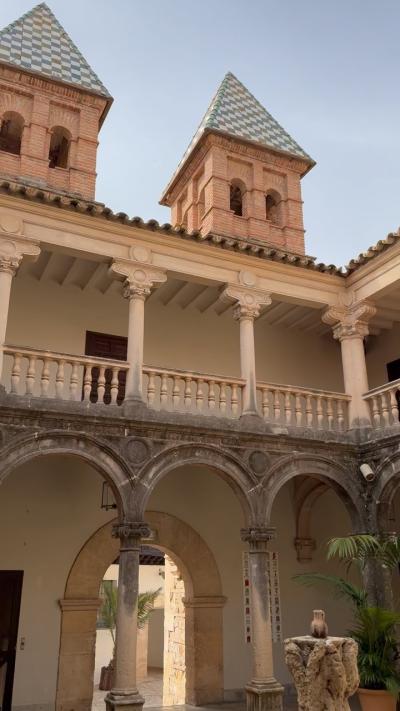
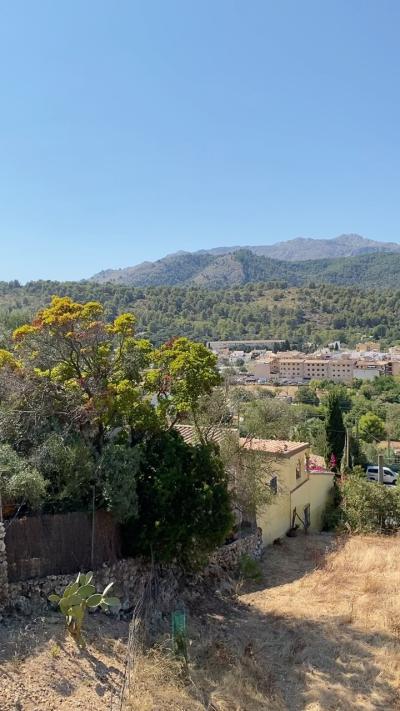
Venture a little off the beaten path, say to villages tucked into the Tramuntana mountains such as Valldemossa or Deià, and you’ll notice signage mainly in Catalan and Spanish. Menus might not always spell everything out in English, especially in family-run eateries serving local stays of tumbet or local Binissalem wines. Here, a few phrases in Catalan or Spanish can make a genuine difference, fostering goodwill and richer conversations with locals.
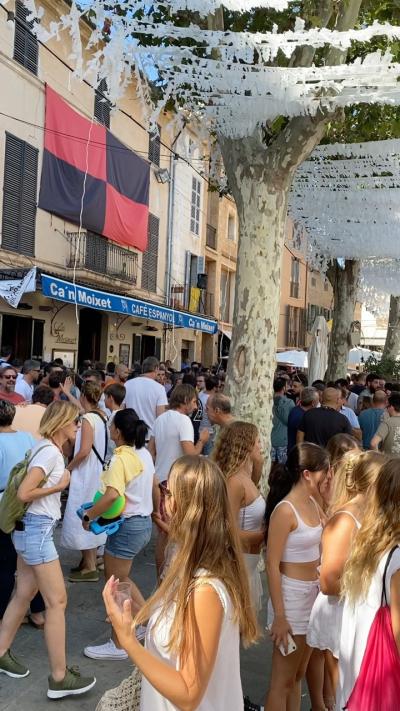
Even along the Ma-13 towards Sóller or the Ma-19 near Manacor, English proficiency varies but staff in tourist-friendly spots generally manage basic English well. Still, embracing a bit of the local language adds to the experience, especially during island festivals like Nit de Foc in Palma or the Festa de l'Ametler in the hills. While English conveniences will be found in many corners of the island, carrying a phrasebook or translation app will serve you well beyond the main tourist trails.
Venture a little off the beaten path, say to villages tucked into the Tramuntana mountains such as Valldemossa or Deià, and you’ll notice signage mainly in Catalan and Spanish. Menus might not always spell everything out in English, especially in family-run eateries serving local stays of tumbet or local Binissalem wines. Here, a few phrases in Catalan or Spanish can make a genuine difference, fostering goodwill and richer conversations with locals.
Even along the Ma-13 towards Sóller or the Ma-19 near Manacor, English proficiency varies but staff in tourist-friendly spots generally manage basic English well. Still, embracing a bit of the local language adds to the experience, especially during island festivals like Nit de Foc in Palma or the Festa de l'Ametler in the hills. While English conveniences will be found in many corners of the island, carrying a phrasebook or translation app will serve you well beyond the main tourist trails.

Cala Figuera
More Fotos